
When Cooperation
Makes People Uncomfortable
Anarchy Ranch, small-town economics, and the audacity of working together.
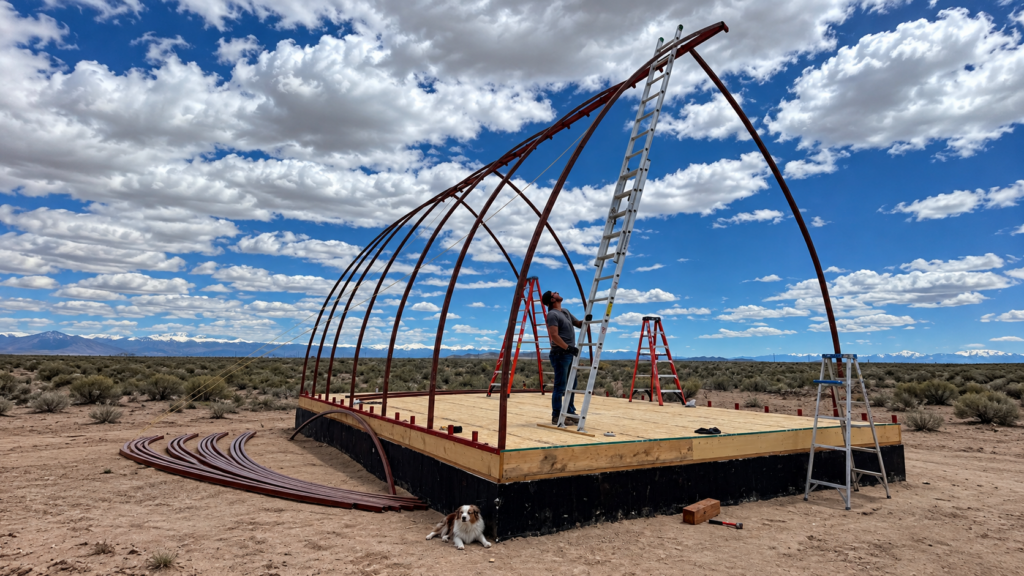
I recently made a post in a local Alamosa Facebook group about one of the things we’re trying to accomplish at Anarchy Ranch. Briefly speaking, I’m looking to lease portions of my 35 acres for a dollar a year to people interested in starting agricultural projects or cooperatively owned businesses.
It’s an idea we’re still developing. There are plenty of things to figure out, from infrastructure to what kinds of businesses would make sense out here. But idea is to give people who might not have the money to purchase land or start a business on their own an opportunity to work with others who bring different resources and skills to the table.
Pretty harmless proposition, right? Apparently not.
The only negative response came from someone who was born into an established local family business. He was jumped right to the limitations of the land and water availability, seemingly under the impression that the entire project had already been planned and that the in-place infrastructure was final.
I’m all for constructive criticism. Water is a concern in the San Luis Valley, and I’m well aware that not every agricultural endeavor is going to be feasible. But there’s a difference between asking questions about a project and dismissing it, ending by saying it will “never get off the ground.”
I responded by pointing out that an acre can produce quite a bit of food when managed properly, that the infrastructure isn’t finalized, and that there are plenty of businesses that don’t require extensive amounts of water. Beekeeping, woodworking, equipment sharing, workshops, etc…
I may have also mentioned that not everybody has daddy’s money in getting their businesses off the ground. After all, how else would any other self-respecting anarchist clap back?
Anyway, the entire interaction got me thinking.
Not Everybody Starts
in the Same Place
In a small town like Alamosa, certain family names carry a lot of weight. Some people are born into businesses, property, equipment, and connections that others will spend their entire lives trying to acquire.
And that’s fine. I’m not suggesting there’s anything wrong with inheriting a family business. I do, however, find it interesting when people who’ve benefited from those circumstances seem so quick to dismiss attempts to create opportunities for people who haven’t.
Someone might have twenty years of experience working in a particular trade but no money to start a business. Someone else might own equipment but have nowhere to use it. Another person might have the organizational skills or marketing expertise to bring the whole thing together.
At Anarchy Ranch, those people have an opportunity to pool their resources and build something they collectively own. That’s what we’re trying to help be a part of facilitating.
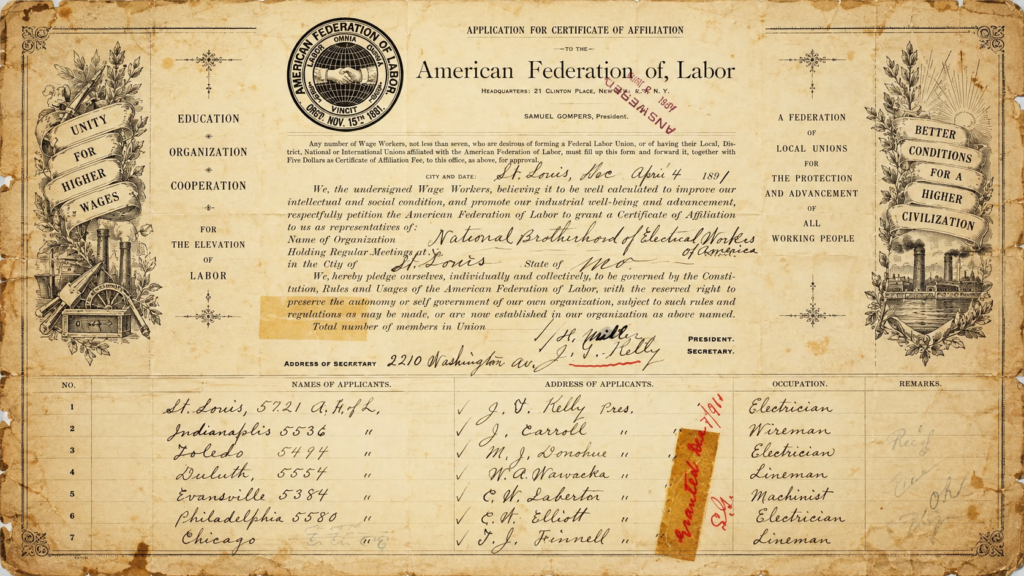
It’s not particularly complicated, and it certainly isn’t some unprecedented economic experiment. Cooperatives have existed for generations. I’ve spoken of them at length in my Mondragon Corp blog article, and even more extensively on my Tik Tok @aveteransresistance.
What Happened
to Community?
We hear a lot about community in small towns. Front page articles of neighbors helping neighbors, supporting local businesses, and looking out for one another.
But never a whole lot of editorials about organizing our resources to improve one another’s economic circumstances and the valley’s independence from outside sources for opportunity.
What about people becoming owners of their enterprises, instead of spending their entire working life making someone else wealthy?
That’s where the conversation seems to get a little uncomfortable.
I imagine part of the problem is that we’re so accustomed to the traditional employer-employee relationship that we struggle to imagine businesses operating any other way.
Someone owns the business. Everyone else works for them. The owner makes the decisions and determines how the profits are distributed. Leave the democracy at the front step of the workplace, and enter your dictatorship.
That’s just how it’s supposed to work, apparently.
I’d argue, it doesn’t have to.
And the existence of cooperatively owned businesses doesn’t prevent anyone else from continuing to operate their business however they choose.
Nobody is coming for your property. Nobody is demanding you hand your business to your employees.
We’re talking about people volunteering to come together and create something they might never be able to afford individually. Best-case scenario, if they build a successful business that competes with established businesses, isn’t that the free-market competition we’re always hearing so much about?
We're Going to
Try Anyway
Anarchy Ranch is still very much a work in progress. Plenty of these ideas will evolve, and I’m sure we’ll encounter obstacles along the way.
That’s generally how starting something works. However, I’d rather spend my time figuring out how to make something possible than explaining to everyone why it can’t be done.
I didn’t make that Facebook post claiming to have every detail figured out. I made it because I wanted to find people interested in figuring those things out together.
That’s the entire point.
Not everyone has access to family wealth, inherited businesses, or the capital necessary to go out and start something on their own. But a lot of people have skills, experience, equipment, ideas, and a willingness to work.
Maybe instead of viewing those people exclusively as potential employees, we should start considering what they could accomplish as partners. If that makes a few people uncomfortable, I’m good with that.
We don’t all have daddy’s money, but we have something far more valuable when we pool our skills, expertise, and efforts together.
Individually, these people might struggle to establish anything. Together, however, they may have the foundation to start a successful enterprise.
This is the premise behind cooperative ownership.
Instead of requiring one person to possess all the capital, equipment, property, and expertise necessary to establish a business, people can pool their resources and share ownership.
Rather than working to generate profits for an owner who may or may not contribute labor to the enterprise, the workers themselves participate in governing the business and sharing in its success and keeping the surplus of their labor.
It’s not charity. It’s not a handout.
It’s people using the resources they collectively possess to create opportunities that might otherwise be unavailable to them.
And unlike inherited wealth, cooperation is something people can begin building regardless of their last name.